
AECA Certifications
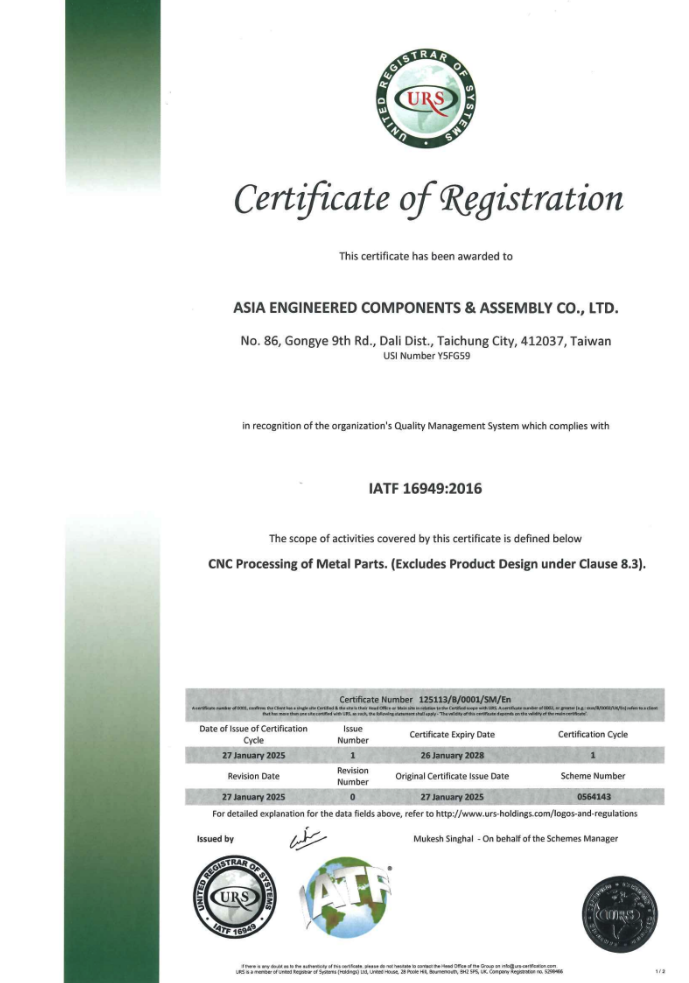
What is the IATF 16949 Standard for Automotive Suppliers?
IATF 16949 is a quality management system standard developed by the International Automotive Task Force (IATF) to harmonize automotive-specific requirements across global supply chains. It builds upon ISO 9001 but adds automotive-focused processes such as advanced product planning, failure mode prevention, and process control to ensure zero-defect production.
The standard applies to OEMs and Tier 1–2 suppliers in the automotive industry, ensuring that components meet both customer and regulatory expectations .
Key IATF 16949 Requirements
Advanced Product Quality Planning (APQP)
Production Part Approval Process (PPAP)
Failure Mode and Effects Analysis (FMEA)
Statistical Process Control (SPC)
Corrective and preventive action (CAPA)
Process monitoring, measurement, and continuous improvement
These requirements ensure automotive components are manufactured consistently, safely, and with minimal defects, meeting both OEM and regulatory standards.
How AECA Applies IATF 16949 Standard
IATF 16949 principles are applied across our automotive manufacturing operations to ensure precision, consistency, and traceability. Key practices include:
Advanced Product Quality Planning (APQP) for all automotive components
Production Part Approval Process (PPAP) submission and management for OEM compliance
Strict process control and statistical monitoring (SPC)
First Article Inspection (FAI) and inspection records
Supplier evaluation and quality assurance
In-process inspections and final verification using calibrated equipment
Continuous improvement programs based on production data and corrective actions
This approach ensures that AECA consistently delivers high-quality automotive components to OEMs and Tier 1-2 suppliers worldwide.
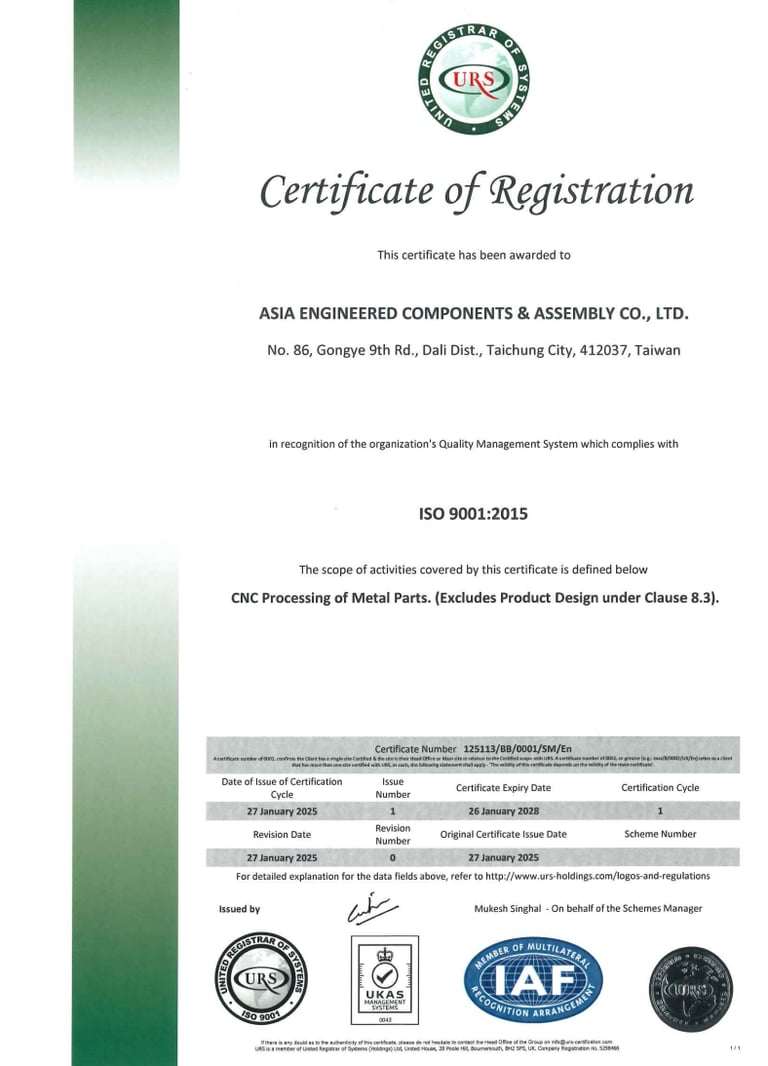
What is ISO 9001?
ISO 9001 is an internationally recognized standard for Quality Management Systems (QMS). It focuses on establishing, implementing, maintaining, and continually improving an organization's quality management system. The standard is widely adopted by OEM manufacturers to help ensure that products and services consistently meet customer and regulatory requirements.
What are their requirements?
ISO 9001 requires organizations to establish and maintain a systematic approach to quality management across all operational processes. For manufacturers, this includes process control, document management, internal audits, corrective actions, and ongoing performance evaluation to ensure products consistently meet customer and regulatory requirements.
Core ISO 9001 requirements include:
Defined operating procedures and controlled documentation
Leadership involvement and clear quality objectives
Risk-based process control and preventive actions
Regular internal audits and management reviews
Continuous improvement through corrective and preventive actions
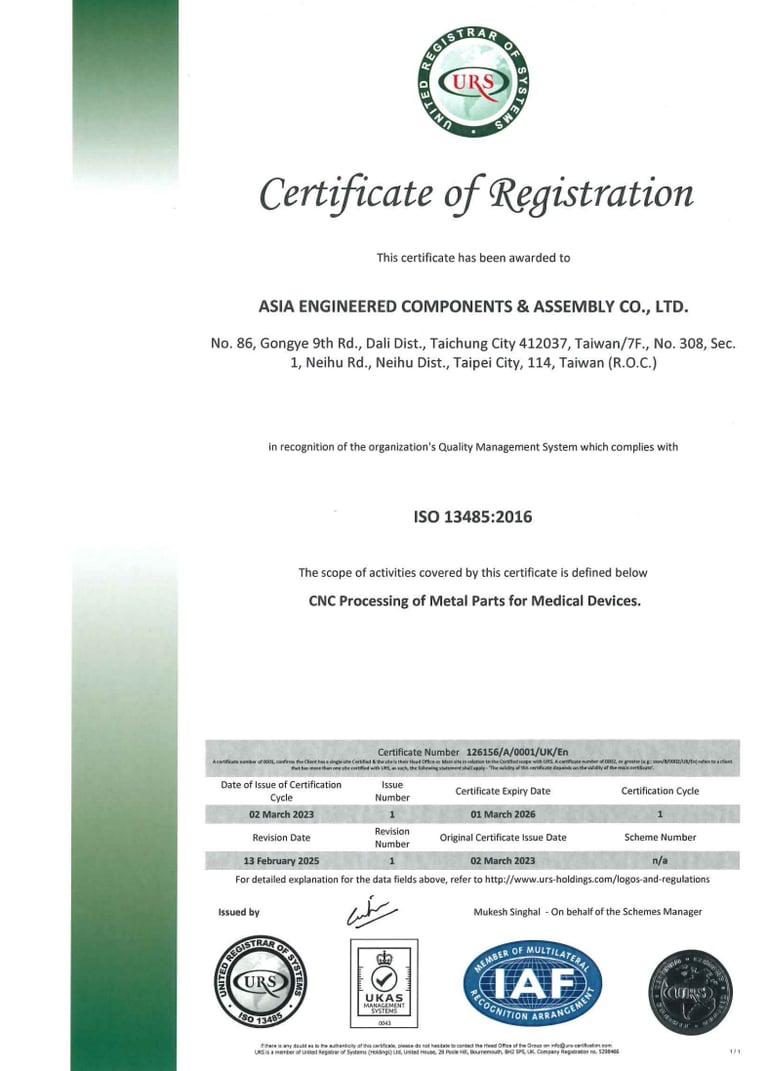
What is ISO 13485?
ISO 13485 is an internationally recognized quality management system (QMS) standard specifically developed for organizations involved in the design, production, and supply of medical devices and related components. This standard focuses on consistent product quality, risk management, and regulatory compliance throughout the manufacturing process.
Unlike general quality standards, ISO 13485 is tailored to the medical industry, where product safety, traceability, and process control are critical.
Key benefits of ISO 13485 Standard
Enhanced patient safety through controlled manufacturing processes
Compliance with global medical device regulations
Improved traceability and accountability across production
Reduced risk of product failures and recalls
Increased confidence for medical OEMs and regulatory bodies
Who Needs ISO 13485 Certification?
ISO 13485 applies to organizations involved in any stage of the medical device supply chain, including:
Medical device manufacturers
Component and precision part suppliers
Contract manufacturers and OEM suppliers
Companies providing related production services
For suppliers, ISO 13485 certification demonstrates the ability to support medical customers with stable, compliant, and well-controlled manufacturing processes.
How AECA Applies ISO 13485
To support medical OEMs as an ISO 13485 verified manufacturer/supplier, ISO 13485 principles are applied across our operations, ensuring reliable and compliant production of precision components.
Structured risk management throughout manufacturing processes
Strict document and change control to ensure consistency
Material and process traceability to support regulatory requirements
Comprehensive inspection and verification using calibrated equipment
Continuous improvement driven by data analysis and corrective actions
please subscribe TO GET OUR INDUSTRY UPDATES
EST. 2010. © 2025. TRAWOE. All rights reserved.